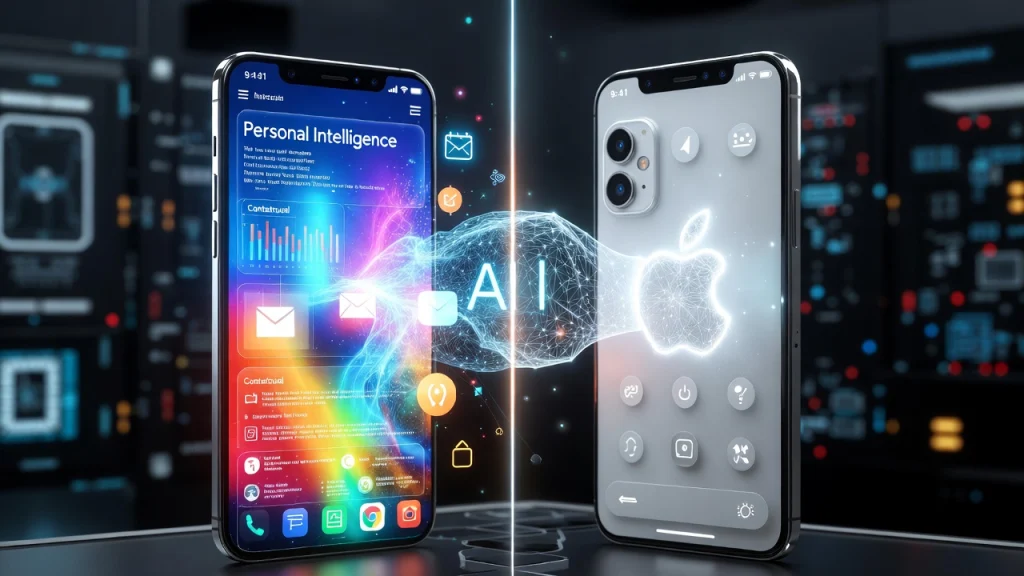
Google has officially raised the stakes in the AI race. The tech giant has launched Personal Intelligence inside its Gemini app, positioning it as a direct competitor to Apple Intelligence. The move signals Google’s ambition to make AI deeply personal, proactive, and seamlessly integrated into users’ daily lives.
The announcement comes at a time when Big Tech is rapidly shifting from generic AI tools to highly personalized, context-aware intelligence embedded across devices and ecosystems.
What Is Google’s Personal Intelligence?
Personal Intelligence is Google’s latest evolution of AI assistance. Unlike traditional assistants that respond only to direct commands, this new capability allows Gemini to understand users on a deeper level by learning from their preferences, habits, and interactions across Google services.
According to Google, Personal Intelligence enables Gemini to deliver more relevant suggestions, smarter reminders, and contextual help—without users needing to repeatedly explain what they want.
In simple terms, Gemini doesn’t just answer questions anymore. It anticipates needs.
How Gemini’s Personal Intelligence Works
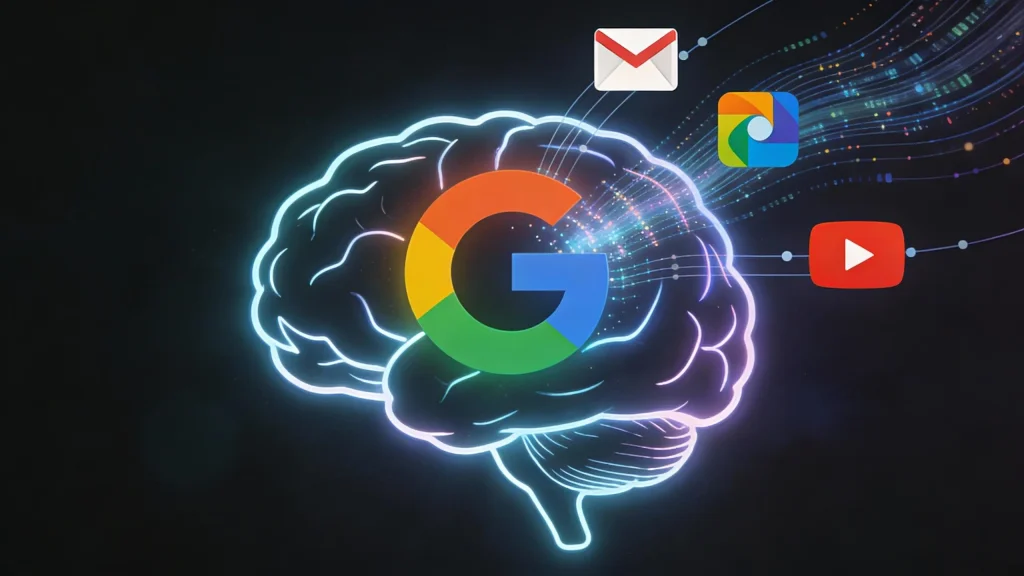
With Personal Intelligence enabled, Gemini can securely connect with a user’s Google ecosystem—such as Gmail, Calendar, Docs, and Search history—to provide tailored assistance.
Examples include:
- Summarizing emails based on personal priorities
- Suggesting calendar actions before conflicts arise
- Helping draft documents in a user’s preferred tone
- Offering proactive recommendations based on past behavior
Google emphasizes that users remain in control, with clear permissions and transparency over what data Gemini can access.
A Direct Challenge to Apple Intelligence
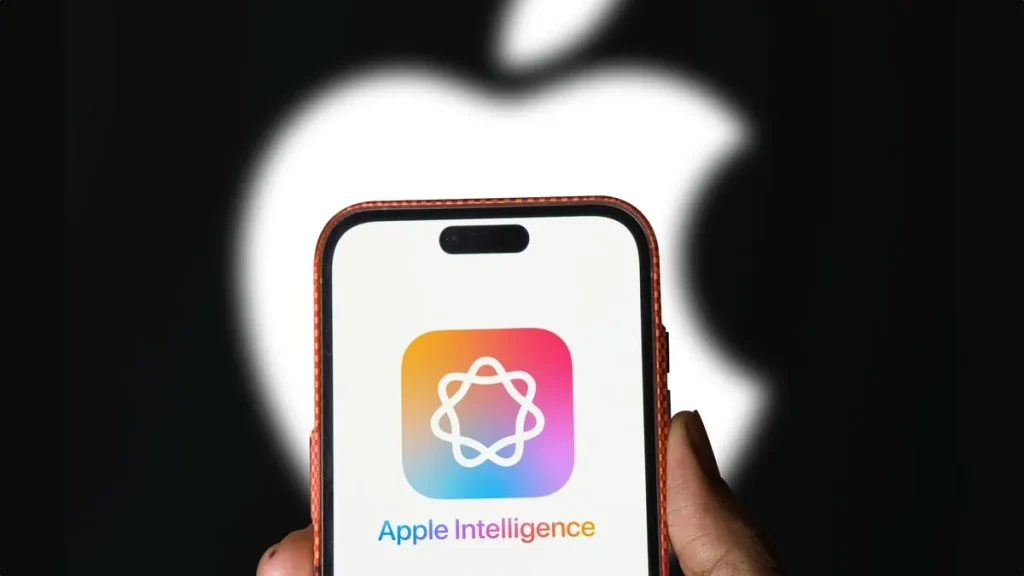
Apple recently entered the personalized AI space with Apple Intelligence, tightly woven into iOS, macOS, and iPadOS. While Apple focuses heavily on on-device processing and privacy-first AI, Google is leaning into its strength: deep integration across cloud-based services and search intelligence.
This sets up a classic contrast:
- Apple Intelligence: device-centric, privacy-led AI
- Google Personal Intelligence: ecosystem-driven, context-rich AI
With billions of users already relying on Google apps daily, Gemini’s new capabilities could give Google a powerful edge in adoption speed and real-world utility.
Privacy and User Control Take Center Stage
Personalized AI often raises privacy concerns, and Google is addressing this head-on. The company states that Personal Intelligence features are opt-in, customizable, and governed by user-defined controls.
Users can:
- Choose which apps Gemini can access
- Review and manage stored context
- Disable personalization at any time
Google claims this approach balances personalization with responsible AI use—an area under increasing regulatory and public scrutiny.
Why This Launch Matters
The launch of Personal Intelligence marks a broader shift in AI strategy across the industry. The competition is no longer about who has the smartest chatbot—it’s about who can deliver the most useful, personalized intelligence without crossing trust boundaries.
For users, this means AI that:
- Feels less generic
- Saves time proactively
- Works quietly in the background
- Adapts to individual workflows
For the industry, it signals the next phase of the AI platform wars.
What’s Next for Gemini and Personal AI?
Google is expected to roll out more Personal Intelligence features throughout 2026, including deeper Android integration, cross-device continuity, and expanded productivity use cases.
As AI becomes more personal, the battle between Google and Apple will likely define how billions of people interact with technology on a daily basis.
One thing is clear: personalized intelligence is no longer a future concept—it’s here, and it’s becoming the new standard.