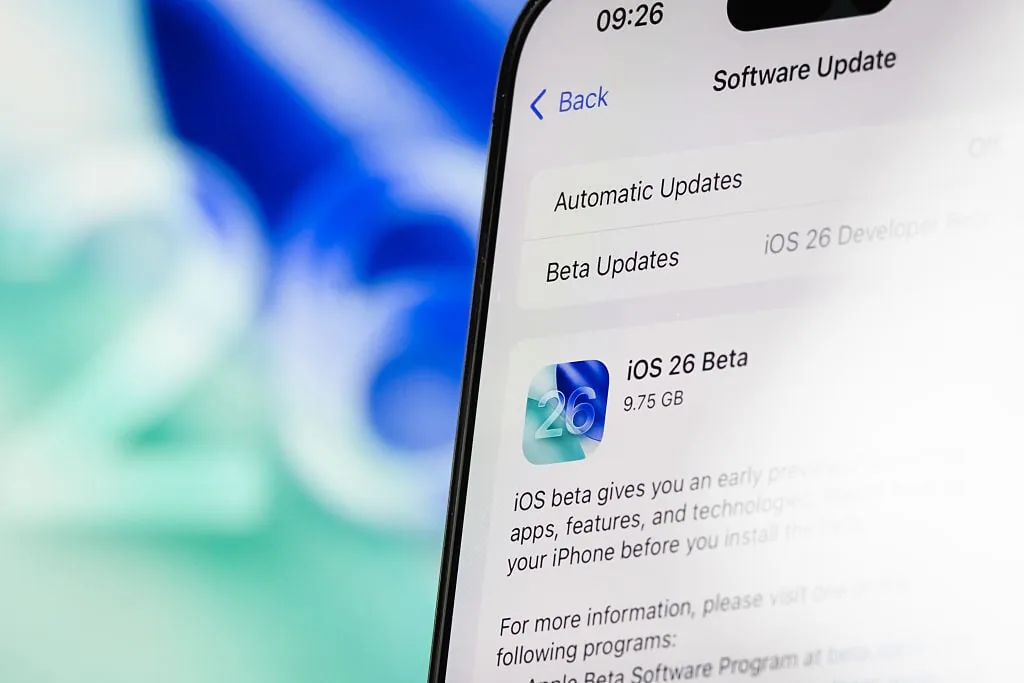
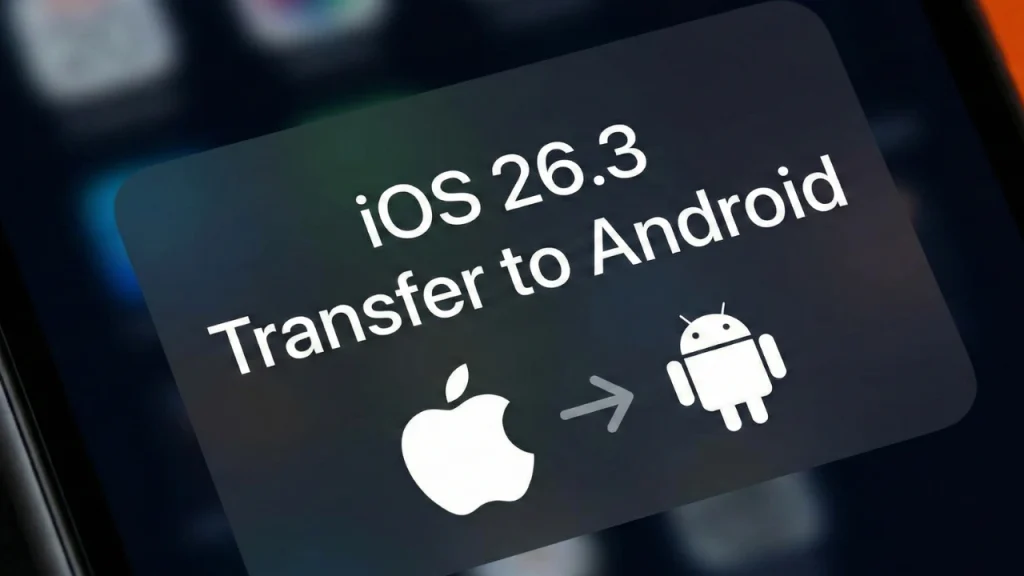
Apple is preparing to make one of the most surprising changes in iPhone history. With the upcoming iOS 26.3 update, Apple will finally allow users to switch from iPhone to Android easily—without using third-party apps.
This move is rare for Apple and signals a major shift in how the company approaches its tightly controlled ecosystem.
Leaving iOS Is About to Get Easier
For years, Apple made it simple to move into iOS but complicated to move out. That’s about to change.
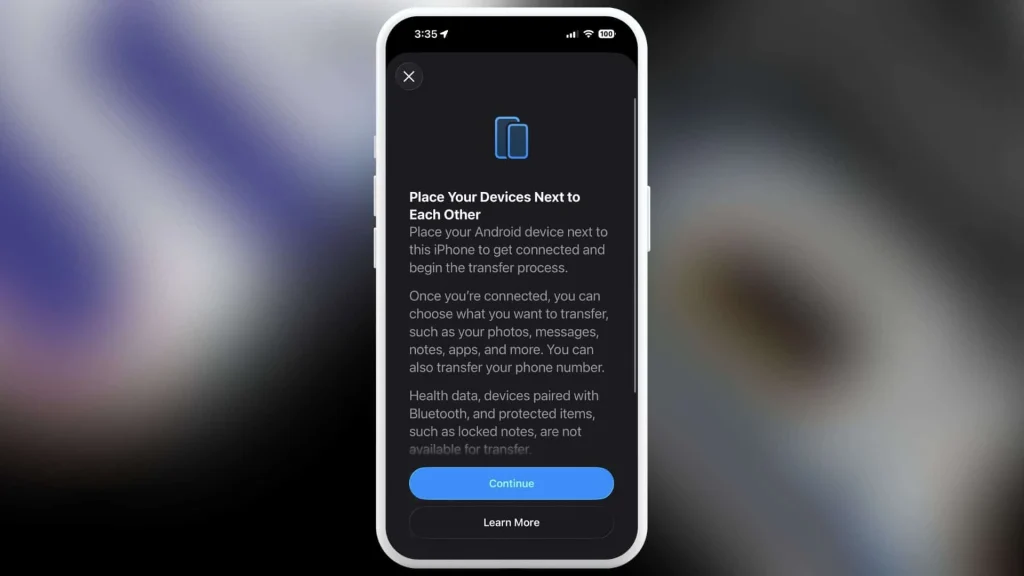
A new built-in feature called “Transfer to Android”, discovered in the first iOS 26.3 beta, allows iPhone users to wirelessly move their data directly to an Android phone. This feature will work on iPhone 11 and newer models running iOS 26.3.
Apple is essentially creating the easiest exit route from iOS it has ever offered.
How the New Transfer Feature Works
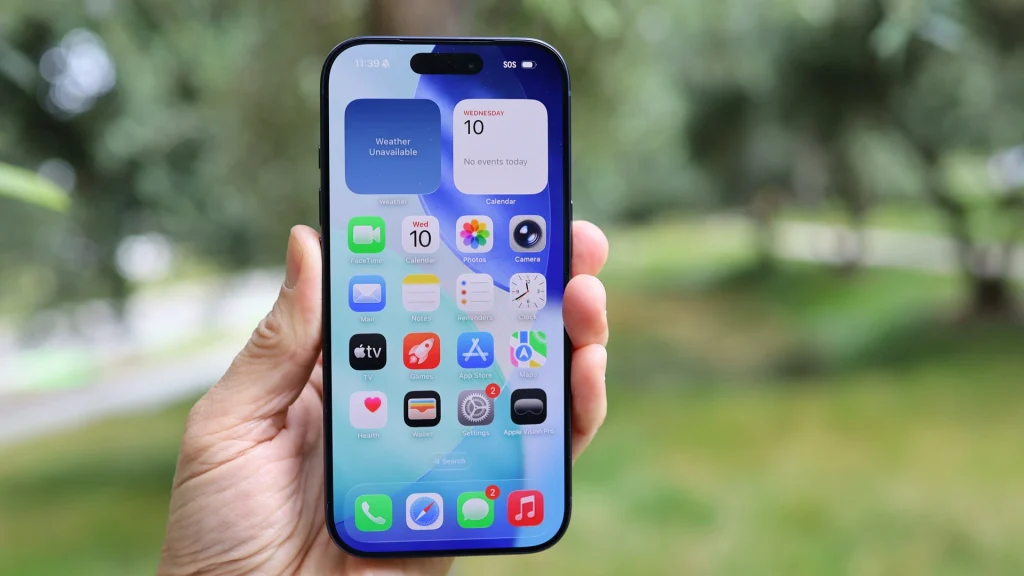
The process is designed to be simple:
- Both phones must be updated to the latest software
- Wi-Fi and Bluetooth must be turned on
- The connection is made using a QR code or session code
- The devices are placed close to each other
Once connected, the iPhone can transfer:
- Photos and videos
- Messages
- Notes
- Apps
- Phone number and basic settings
The entire process happens wirelessly and works across multiple Android brands—not just one.
What Still Doesn’t Transfer (Yet)
While this is a big step forward, the transfer isn’t perfect.
Apple has confirmed that the following data will not transfer for now:
- Health data
- Paired Bluetooth devices
- Locked notes
Both Apple and Google have said that more data types may be supported in future updates.
Google Is Doing the Same Thing
This change isn’t happening in isolation. Google is also rolling out a similar feature on Android.
According to reports, Android Canary builds already include tools that make switching from Android to iPhone just as smooth. This feature is a joint effort between Apple and Google, designed to work during the phone setup process.
Google Pixel devices are expected to be the first Android phones to fully support this feature.
Why Apple Is Making This Change Now
The timing is important.
Governments—especially in the EU—are pushing for greater platform interoperability through regulations like the Digital Markets Act (DMA). These rules encourage companies to reduce ecosystem lock-in and give users more freedom.
Although the regulations started in Europe, this new transfer feature is expected to roll out globally, not just in the EU.
When Will iOS 26.3 Launch?
- Expected release: Late January or early February 2026
- Android support: Likely to roll out gradually, starting with Pixel devices